Lectio Divina: The Ancient Christian Practice of Sacred Reading
For over 1,500 years, Christians have used Lectio Divina to encounter God through Scripture. Here's how to practice this timeless tradition today.
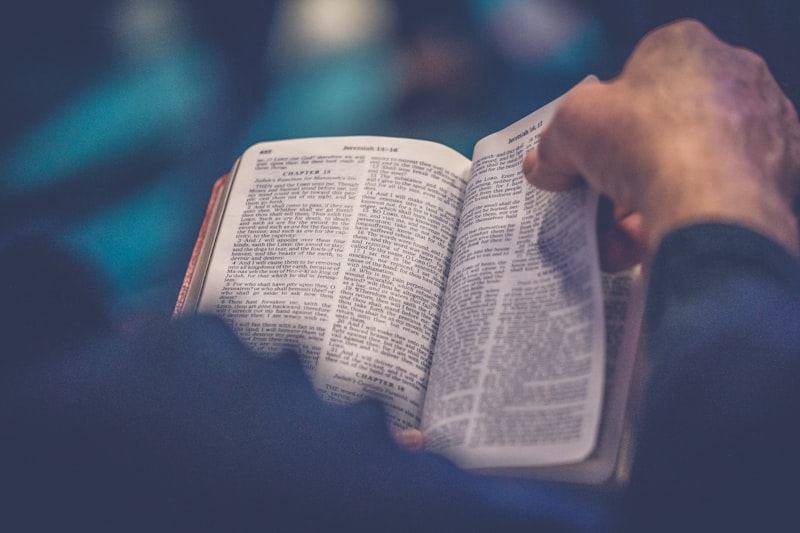
In the 6th century, Saint Benedict of Nursia codified a method of praying through Scripture that has shaped Christian spiritual life ever since. He called it Lectio Divina — Sacred Reading. Fifteen centuries later, it remains one of the most powerful and accessible forms of Christian prayer available to any believer.
What Is Lectio Divina?
Lectio Divina is not Bible study in the academic sense. It is not about analyzing Greek and Hebrew, or building systematic theology (though those are valuable). It is about encountering the living God through the living Word — allowing Scripture to become not just information, but transformation.
The classical form of Lectio Divina has four movements:
1. Lectio (Reading)
Read a short passage of Scripture — slowly. Not to cover ground, but to listen. The early monastics read aloud, moving their lips even in silence, because they understood that the Word was meant to be absorbed, not merely processed.
Read the passage two or three times. Notice if a word or phrase stands out. Don't analyze it yet — simply notice it.
2. Meditatio (Meditation)
This is not Eastern-style meditation focused on emptying the mind. Christian meditation is the opposite: filling the mind with the Word. Take the phrase that caught your attention and ruminate on it — the Latin meditatio comes from the same root as "to chew."
What does it mean? What does it mean for you, today, in your specific circumstances?
3. Oratio (Prayer)
Now respond to God. This is conversation, not monologue. What has the Word stirred in you? Speak it — gratitude, confession, petition, wonder. The Scripture has spoken to you; now you speak back.
4. Contemplatio (Contemplation)
Finally, rest. Let go of words, thoughts, and efforts. Simply be in the presence of the One you have encountered through His Word. This is the heart of the practice — not achieving something, but receiving Someone.
How to Begin
Choose a short passage — perhaps five to ten verses. The Psalms are particularly suited to Lectio Divina, as are the Gospels. Set aside 15-20 minutes in a quiet place. Follow the four movements without rushing.
You may find that you never get past the first movement in some sessions — the Spirit may stop you on a single phrase for the entire time. This is not failure. This is the practice working.
Lectio Divina in YeshiAI
For Christian users of YeshiAI, each day's Scripture reflection is designed to facilitate this kind of sacred encounter. The daily reading is followed by prompts that move through the four movements of Lectio Divina — helping you engage with Scripture not just intellectually, but with your whole heart.
"Your word is a lamp to my feet and a light to my path." — Psalm 119:105